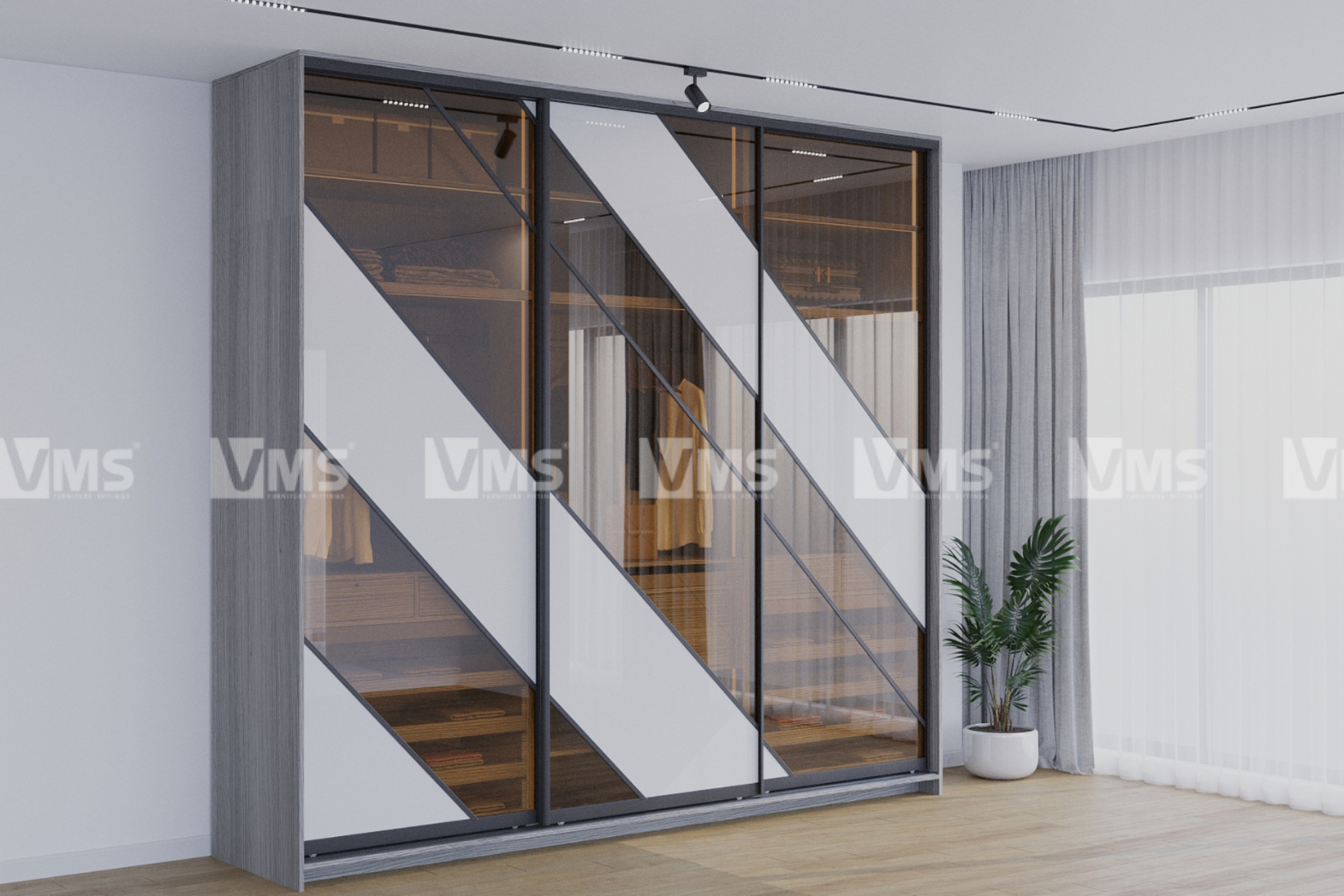

You know the feeling. The wardrobe looked perfect the day it was installed. Six months later, one door hangs a little lower than the other, and the sliding shutter needs a firm shove to move. What happened?
Nine times out of ten, it wasn’t the wood or the finish. It was the hardware the hinges, rollers, and tracks nobody thinks about until they stop working.
That’s the thing about wardrobe hardware. It does its job silently, so it’s easy to treat as an afterthought. But these are the parts carrying the entire weight and doing all the movement. Skimp here, and the prettiest shutter in the world will still start sagging.
Here’s the short version if you’re in a hurry: sagging doors and jammed tracks almost always come down to seven avoidable mistakes wrong hinges, bad track alignment, overloaded shutters, cheap rollers, no soft-close, ignored humidity, and zero maintenance. Now let’s look at each one properly.
1. Too Few Hinges – or the Wrong Ones
This is the most common one, and it’s frustrating because it’s so easy to prevent. A tall, heavy shutter hangs on two hinges, gravity gets to work, and within a few months the door starts pulling away from the frame.
Heavy doors need proper support. A full-height wardrobe shutter usually wants three or four good hinges, not two and each hinge needs to be rated for the door’s actual weight. Check that rating before you install, not after the door starts drooping.
2. Tracks That Aren’t Quite Level
If a sliding wardrobe rattles or jams, look at the track first. A track that’s off by even a few millimetres forces the door to fight it on every pass. You feel it as resistance; the rollers feel it as slow, steady damage.
The fix isn’t complicated, but it does need care tracks have to go in dead level, measured properly, not judged by eye. This is exactly why sliding systems trip up general carpenters. It’s precision work, and precision is a skill.
3. Loading the Shutter With More Than It Can Carry
Someone decides to add a full mirror, or switch to a thicker cladding, or go with a heavier laminate after the hardware’s already chosen. Now the hinges strain, the rollers flatten, and the door sags under weight it was never meant to hold.
Decide the finish first, then pick the hardware. A mirrored or thick-panel door needs heavier-duty everything: hinges, rollers, tracks. Get that order right and half these problems disappear.
4. Rollers Bought to Save a Few Rupees
Rollers are small and cheap, which is precisely why people cut corners on them. It’s also why they’re usually the first thing to fail. Budget rollers develop flat spots, pick up grit, and turn a silent glide into that unmistakable grinding drag often within the first year.
Spend a little more here. Precision rollers run quieter, take far more use, and last years longer. On a sliding wardrobe, honestly, roller quality matters more than almost anything else.
5. No Soft-Close Mechanism
Every time a door slams, the impact travels straight into the hinges and joints. Do that a few times a day for a couple of years and things loosen, shift, and slip out of alignment. A wardrobe that slams simply wears out faster.
Soft-close hinges or dampers fix it. They catch the door, slow it down, and stop the slam before it happens. Small addition, meaningful difference in how long the whole system holds up.
6. Ignoring Humidity
This one bites hard in coastal cities and anywhere the monsoon lingers. Ordinary hardware corrodes hinges stiffen with rust, tracks pit and jam, rollers seize. A lot of wardrobe failures in humid regions come down to nothing more than the wrong metal being used.
If the wardrobe’s going somewhere damp, specify marine-grade or corrosion-resistant parts from the start. Stainless steel and treated aluminium shrug off the moisture that eats through budget hardware.
7. Never Doing the Five-Minute Maintenance
Even great hardware asks for a little attention. Dust settles into tracks, hinges dry out, screws work themselves loose. Ignore all of it, and small niggles slowly turn into a door that won’t open.
None of it is hard. Wipe the tracks now and then, put a drop of lubricant on the hinges, snug up any loose screws once or twice a year. Five minutes of care heads off most sagging and jamming before it ever starts.
The 7 Mistakes at a Glance
| Mistake | What goes wrong | What to do |
| Too few / wrong hinges | Doors sag | Match hinges to door weight |
| Track not level | Sliding doors jam | Install tracks dead level |
| Overloaded shutter | Hardware strains | Pick hardware for real weight |
| Cheap rollers | Grinding, dragging | Use precision rollers |
| No soft-close | Joints loosen | Add dampers or soft-close hinges |
| No humidity protection | Parts corrode, seize | Use marine-grade components |
| No maintenance | Gradual jamming | Clean and lubricate yearly |
The Real Takeaway
A sagging door or a jammed track feels like bad luck. It rarely is. Trace it back and you almost always land on a hardware decision that got rushed, cut, or skipped.
The upside? Every mistake on this list is preventable. Good, solid hinges, and quality rollers cost a bit more on day one and save you years of irritation after. When you plan a wardrobe, plan the hardware first it’s the foundation everything else sits on.
FAQ
Why is my wardrobe door sagging?
Usually it’s the hinges either too few of them or ones rated below the door’s weight. Sometimes the shutter itself is heavier than the hardware was built for. Fitting properly rated hinges and rebalancing the load normally sorts it out.
How do I fix a jammed sliding wardrobe track?
Start by clearing dust and grit from the track. If it still sticks, the track is probably slightly off-level or the rollers have worn down. Levelling the track and swapping in better rollers brings the smooth movement back.
How many hinges does a wardrobe door need?
A full-height shutter generally needs three to four, depending on weight and finish. Heavier doors mirrored or thick laminate need more support than lightweight ones.
Do sliding wardrobes need more maintenance than hinged ones?
A little differently, yes. Sliding wardrobes mainly need their tracks kept clean so they don’t jam; hinged ones need hinge care and the odd screw tightened. Either way, a yearly once-over makes both last far longer.
Building a Wardrobe That Actually Lasts
VMS Plus makes precision-engineered wardrobe hardware hinges, rollers, tracks, and aluminium profiles built to stay smooth and strong in Indian conditions, and trusted by dealers, architects, and interior designers across the country.