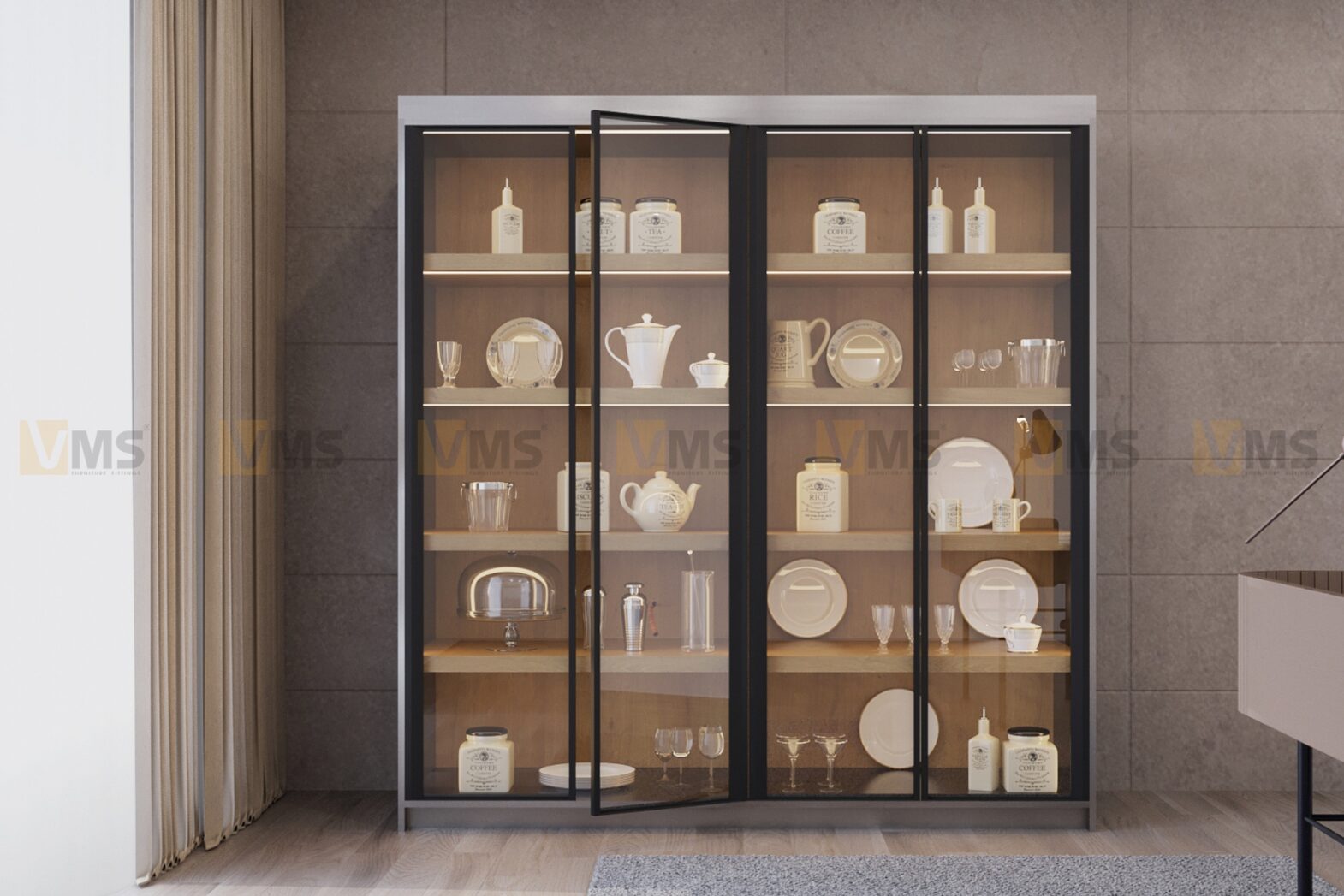

Interior design is no longer just about decoration. Nowadays, it is concentrated on developing a simple, efficient, and easy-to-use space. Homeowners desire interiors that appear clean and make daily tasks easier.
This change has led to minimalist interior design. It stresses clarity, purpose, and functionality. Designers no longer want to incorporate these extra details; instead, they want to eliminate them. The idea is to make the spaces look open, orderly, and useful.
This trend is leading modern interior design toward more functional, comfortable, and usable solutions.
Understanding Minimalist Interior Design in Modern Spaces
Minimalist interior design is founded on the concept of simplicity. It emphasizes straight lines, neutral tones and clutter-free surroundings. Each item in the space has a purpose.
Visual simplicity is also important in modern interior design. The rooms are designed to be breathable. This helps reduce stress and creates a calm environment.
Designers do not focus on decorative objects to fill space but rather on key elements that create value. This provides a balance of aesthetics and functionality.
Minimalism is not concerned with the empty spaces. It focuses on using the right elements in a thoughtful way.
Why Functionality Is Becoming a Core Design Principle
Interior planning has now shifted towards functionality. People prefer spaces that can aid their everyday lives without any hassles.
Modern design is concerned with comfort and efficiency. The storage solutions, smooth movement, and convenient functionality are central concerns. This is an indication of the increased demands of practical living.
Earlier, interiors were designed mainly for visual appeal. This has shifted to performance these days. All elements should be part of the space’s complete functionality. Balancing design and usability is a key feature of modern interior design.
The Role of Materials and Systems in Modern Interiors\
Materials play an important role in defining interior spaces. The strength and flexibility of aluminium profiles have enhanced their use in interiors.
In modern interior design, materials such as aluminium and glass are common. They are both strong and sustainable, maintaining a clean, modern appearance.
They are lightweight and low-maintenance materials. They also uphold smooth structural designs without adding visual weight.
Modern finishes further enhance the interiors. These aspects combine to form functional, yet aesthetic spaces.
How Modern Kitchens Reflect Minimal and Functional Design
One of the most successful examples of such a shift in design is the kitchen. Handleless kitchen designs are now widely preferred, which is becoming common in homes.
Integrated profiles are employed in handleless systems, rather than external handles. This creates a smooth, seamless appearance. It also enhances usability by making cabinets easier to open.
Another significant quality is clean layouts. Modern kitchens are characterized by well-organized storage and effective workflow.
These kitchens have the right design and functionality, offering a practical yet fashionable solution for everyday use.
Glass Partitions and Sliding Systems in Space Planning
Space planning has also evolved to include glass partition systems, in addition to sliding door systems. These solutions allow spaces to remain open while providing areas of definition.
Glass partitions enhance the flow of light and its visual connectivity. Meanwhile, they provide separation where needed.
Sliding door systems are best suited for space-saving. They also eliminate the additional clearance required by conventional doors.
The two systems provide layout flexibility. They facilitate the process of changing spaces in response to changing needs.
Why Modern Interior Trends Focus on Simplicity and Performance
The current trends in interior design focus on balancing style and functionality. This approach defines modern interior design.
Designers are now concerned about long-term usability. The high quality of materials and systems depends on both appearance and durability.
Astute design choices ensure interiors are useful in the long run. This saves on maintenance and enhances efficiency.
Conclusion
Minimal and functional design is the future of interiors. The minimalist interior design provides clean, organized, and efficient spaces. Current interiors are both strong and fashionable, featuring smart materials such as aluminium and glass. Systems such as glass partitions, along with sliding doors, also improve usability. Modern spaces are being exploited by users these days, making them comfortable and functional while offering options that are durable at the same time.