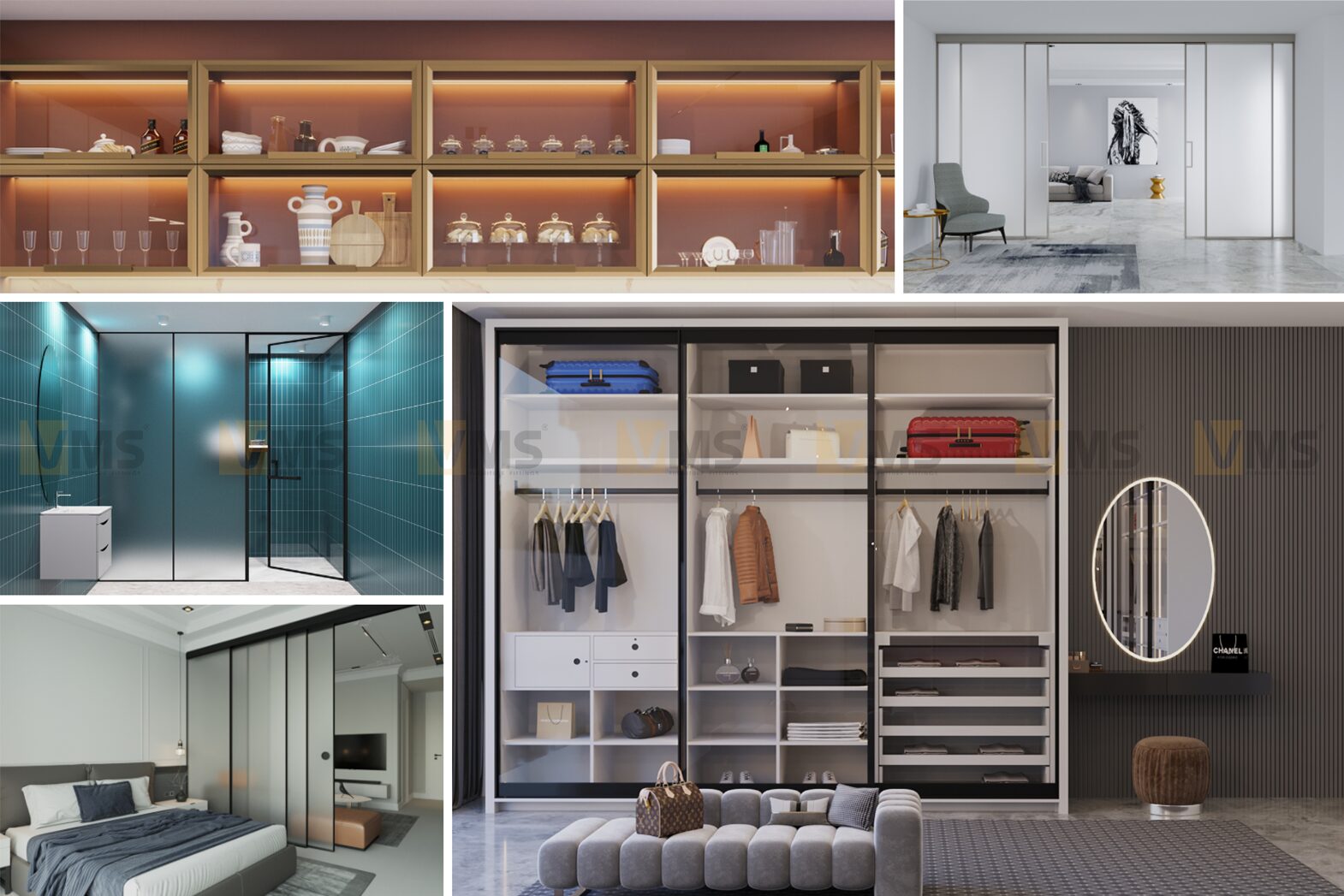

Interior spaces are changing at a rapid pace. Designers do not concentrate on shapes, furniture, and layout anymore. Rather, the focus is being placed on the materials and finishes that characterize the experience of a space and its functionality. This transformation is strongly influencing the interior design trends 2026, both in residential and commercial settings.
Surfaces are no longer just visual elements. They influence the way people experience interiors in terms of texture, durability, and functionality. Finishes are taking centre stage in design, whether it is in terms of walls and furniture, hardware, or partitions.
The Growing Importance of Interior Materials and Finishes
In modern design, materials are not just a background component. They assist in the definition of space personality and identity. Interior materials and finishes are key elements that can change the entire look and function of an interior.
A large number of designers are currently concentrating on contemporary interior materials that are not only durable but also pleasing to the eye. Other materials like textured metals, engineered surfaces, and quality composites are increasingly being used in interiors of modern times.
Premium Interior Finishes as a Design Statement
The quality of the finish is turning out to be a characteristic of contemporary interiors. According to interior design trends 2026, designers use rather understated and elegant surfaces as opposed to the glamorous decoration.
Most projects today have high-quality interior finishes that include matte metals, brushed aluminium, and surfaces that are covered with ceramics. These finishes are refined with good performance and durability.
Yet another trend that is growing is the continuous use of architectural hardware finishes in a space. Designers are also matching door handles, cabinet hardware, and partition fittings such that everything is similar in finish style.
Glass and Aluminium Interiors in Modern Architecture
The architecture of modernity is based more on minimal buildings and clean design lines. This has seen the popularity of glass and aluminium interiors grow at a faster rate, both in residential and commercial areas.
Glass has the ability to allow natural light to flow in a given space, which gives rooms a brighter and more open feel. Alternatively, aluminium frames provide structural integrity but with thin and slim profiles.
In most modern spaces, designers incorporate frameless or ultra-thin systems to create a seamless appearance. These systems emphasize the beauty of the glass and aluminium interior systems and yet are durable and functional.
Living Room Design Trends Influenced by Surface Choices
The living room is still one of the most significant rooms in the house. This means that the trends of living room designs are very much dependent on the materials and finishes that are applied in the living room.
Color palettes that are neutral in nature are growing in popularity. Beige, grey, and warm whites are used in soft tones, creating a relaxed and welcoming atmosphere. These colors are usually accompanied by textured surfaces in order to add more depth.
Another feature is the use of metal accents in the trends of the living room design. The finishes are brushed aluminium or matte metal, which offer minimal contrast to the overall design. Glass partitions are also finding their way into modern homes.
Why Hardware Finishes Now Matter More Than Ever
The hardware components were not taken seriously in interior design in the past. But this has changed with the contemporary trends in interior design. Hardware has become a significant feature of design that creates the visual identity of a space.
Good quality interior hardware finishes can play a major role in enhancing the look of the doors, cabinets, and partitions. Chosen well, these finishes complement the surrounding materials and will make a harmonious design style. Premium architectural hardware finishes are also meant to withstand scratches, corrosion, and daily wear.
From Aesthetic Appeal to Performance-Driven Design
The design emphasis is changing to long-term functionality. The designers are not merely selecting the surface due to its visual appeal, but also for the materials used in the real world.
Contemporary interiors and finishes are developed in such a way that they are durable, easy to maintain, and not prone to damage. These attributes are proving to be critical because the homeowners and businesses are looking at viable solutions for high-traffic areas.
Designing Interiors That Go Beyond Trends
Although trends keep changing, the modern design is aimed at creating interiors that can be used over time. The balance of style and durability is reached through the use of high-quality modern interior materials.
The important element in effective design is consistency. In cases of premium interior finishes applied all over the various sections of a space, there is a sense of unity and design planning.