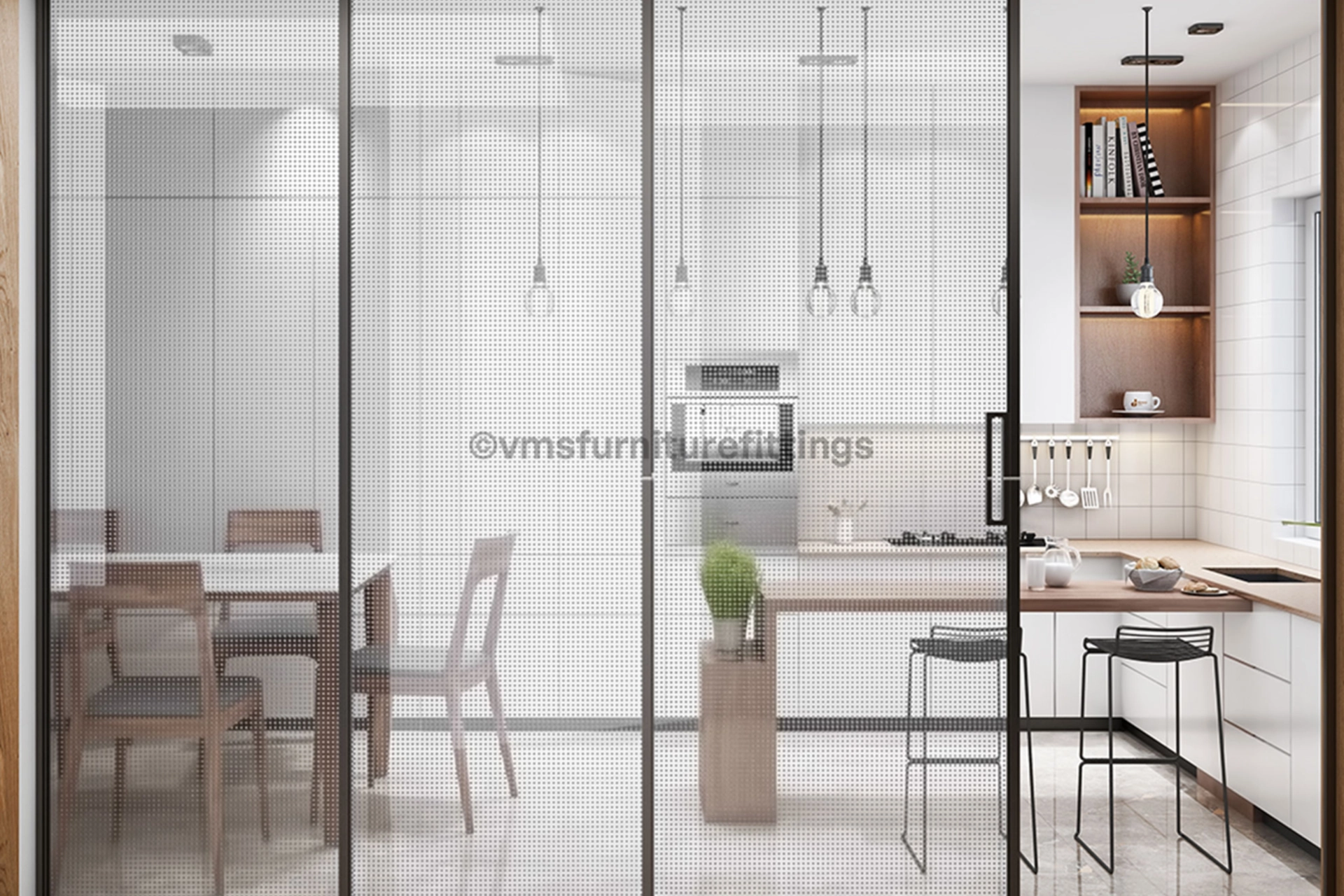

The kitchen is no longer just a cooking space — it’s the heart of every modern home. Whether in urban apartments, luxury villas, or compact homes, kitchens today are designed to be functional, stylish, and welcoming
One of the most common decisions in kitchen planning is choosing between an open kitchen and a closed kitchen. Open kitchens bring in light, space, and social interaction, while closed kitchens offer privacy, storage, and focus. For architects, designers, and homeowners alike, the right choice depends on lifestyle, space availability, and design goals.
In this guide, we’ll explore open vs closed kitchens, the most popular open kitchen layouts, and the latest trends in cabinets and finishes — helping dealers, architects, and customers make informed decisions for modern projects.
Open vs Closed Kitchens
What is an open kitchen?
An open kitchen has no walls separating the cooking area from the dining and living areas, referred to as “the great rooms.”
The open-plan kitchen makes your space appear bigger than it is and facilitates the smooth flow between the common areas.
The open-plan kitchen concept has its advantages (Pros) and disadvantages (Cons), which are listed below:
Pros of an Open Kitchen
- An open kitchen is a smart way to maximize space, as no walls and doors serve as barriers.
- It allows interaction between families and friends, which is prohibited in closed-off kitchens.
- An open kitchen layout can accommodate more people.
- This open layout allows for the installation of a kitchen island.
- You can multitask in an open kitchen. For example, you can watch TV while cooking and supervising the kids or entertaining some guests.
- More natural light can pass through an open kitchen.
Cons of an Open Kitchen
- These are the disadvantages of an open kitchen:
- The open kitchen is always visible to anyone who comes to the house, and it becomes self-evident if you fail to tidy up every time.
- The sound and smell of cooking travel to other house spaces.
- Cabinet space is limited because open kitchens do not have extra walls to place kitchen cabinets.
What is a closed kitchen?
A closed kitchen is a traditional kitchen layout. It is regularly seen in homes until recently. It has separating walls and barriers that differentiate the kitchen from the dining room, living room, and other spaces in the house. If you have a closed kitchen, you must go through a door before entering the space.
Pros of a Closed Kitchen
You can hide the mess (if you do not tidy up regularly) by just closing the kitchen door.
You have more storage. You get more options for placing cabinets, appliances and countertops.
You can focus better when cooking or cleaning. People are unlikely to go out of their way to distract you from what you are doing.
Cooking noise and smell are limited so that you won’t be disturbing other people in the home.
Cons of a Closed Kitchen
Air circulation can be challenging unless your kitchen has expansive windows.
A Closed kitchen usually lacks natural light, so it must depend on artificial lighting.
The feeling is cramped and closeted, as this type of kitchen layout makes the space considerably smaller and will be crammed with your appliances.
The PROS and CONS of each type of kitchen layout tell the differences between the open and closed kitchens.
Important points to consider when choosing between an open and closed kitchen.
1. A closed kitchen offers more privacy and reduced noise. If you want a more private cooking experience or cooking-related noise to be separated from other areas of the house, your best option would be the closed kitchen design. It is also ideal if you have small children or pets, as you can have more control over your kitchen environment.
2. An open kitchen promotes social interaction. You and your guests can communicate with each other while the food is being prepared. There are no walls that separate the kitchen from the dining, living room and other areas of the house, so your space becomes more welcoming.
Choosing the Right Open Kitchen Layout
The open kitchen layout is becoming more popular in Indian homes. It means no barriers or walls divide the food preparation and cooking spaces from the dining and living spaces. This layout makes these collective spaces more ample.
Factors To Keep In Mind When Choosing The Kitchen Layout for an Indian Home
To ensure that you are selecting the right layout for your kitchen, here are the top tips that you should remember:
1. First, learn the different layouts for open kitchen design –
- L-shaped kitchen layout – suits different sizes of kitchens
- One-Wall – a straight line layout, great for tiny kitchens
- U-shaped, for kitchens with ample space
- Parallel kitchen design for narrow spaces
- Island layout and Peninsula for big kitchen spaces.
2. Follow the Golden Triangle Rule
As mentioned above, this golden or work triangle is the space between the sink, fridge and hob, which should be ideally distanced.
3. The storage modules
There should be adequate storage to help you keep everything in the kitchen organised.
4. The Countertop
One of the most important elements in the kitchen is the countertop area. In most Indian kitchens, the countertop is used to prepare meals and place all the finished dishes. It can also hold small appliances and crockery plates. Your countertop should be big enough and long enough so you can run the daily errands without any problems.
5. Ventilation in the open kitchen design.
Ventilation should be considered when planning a modular kitchen. Make sure that the kitchen is a well-ventilated area. Windows should be present, and sufficient airflow in the space.
6. Choose Kitchen Colours Intelligently
Never forget that you will maintain the kitchen for a longer period of time. If you can, please avoid an all-white kitchen. Indian cooking leaves a lot of tough stains. An all-white kitchen is high maintenance and needs consistent cleaning.
7. Safety first
Safety should be included in planning your kitchen.
From curved countertops to safe gas piping. Even your kitchen flooring should not cause slips.
Trends in Open Kitchen Cabinets & Finishes
Minimalist Cabinets – Handle-less, sleek finishes.
Glass & Aluminium Cabinets – Premium, modern look (highlight VMS Plus relevance).
Mixed Materials – Wood + glass + laminates.
Integrated Storage Solutions – Pull-outs, hydraulic lifts, rolling shutters.
Lighting in Cabinets – LED profiles for ambience + functionality.
Why VMS Plus for Open Kitchen Solutions
- Aluminium profiles, shutters, and modular fittings tailored for open kitchens.
- Trusted partner for dealers (profit + supply support).
- Preferred by architects/designers for premium, modern solutions.
- Expanding presence in UAE & USA.
Conclusion
Designing the perfect kitchen goes beyond just choosing tiles or colors, it’s about creating a space that matches lifestyle, functionality, and long-term value. Whether you prefer the openness of a social, connected kitchen or the privacy of a traditional closed layout, the right design depends on your needs and vision.
For architects and interior designers, these choices set the tone for a project’s success. For dealers and hardware partners, offering modern kitchen fittings, shutters, and cabinet solutions is an opportunity to deliver innovation that customers demand.
At VMS Plus, we provide a wide range of premium kitchen fittings, aluminum shutters, and modular solutions that combine style, durability, and precision. By choosing the right layout, smart storage, and high-quality finishes, you can transform kitchens into functional, elegant, and future-ready spaces.